
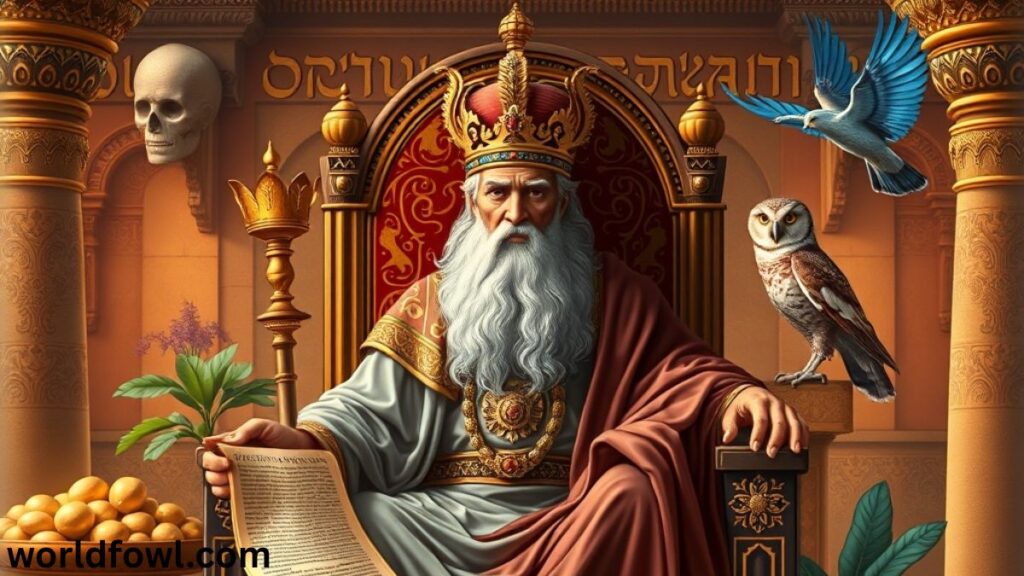
15 Interesting Facts About Solomon in the Bible Fifteen interesting facts about Solomon in the Bible unveil the remarkable life of ancient Israel’s wisest and wealthiest king—a figure whose extraordinary achievements were matched only by his tragic failures. 15 Interesting Facts About Solomon in the Bible The son of David and Bathsheba, King Solomon ruled during Israel’s golden age, authoring inspired wisdom literature, constructing the magnificent Temple in Jerusalem, and accumulating riches that made him legendary throughout the ancient Near Eastern kingdoms. His story encompasses divine wisdom, unprecedented prosperity, profound spiritual insights, and devastating moral compromise.
15 Interesting Facts About Solomon in the Bible Few biblical figures embody such dramatic contradictions. The man who conversed with God face-to-face ended his days bowing before false gods. The king who penned timeless wisdom about fidelity married 700 wives and 300 concubines. 15 Interesting Facts About Solomon in the Bible The ruler who built God’s house also constructed shrines for demonic idols. Solomon’s life reads like a cautionary tale wrapped in triumph—a reminder that brilliant beginnings don’t guarantee faithful endings.
These fifteen facts illuminate Solomon’s multifaceted legacy and reveal why his reign shaped biblical kingship for generations. From his famous encounter with the Queen of Sheba to his catastrophic spiritual decline, Solomon’s journey offers profound lessons about wisdom, wealth, power, and the consequences of compromise that resonate powerfully today.
Solomon Was the Son of David and Bathsheba
Solomon’s lineage carries one of the Bible’s most controversial origin stories. His parents’ relationship began with adultery and murder—hardly the typical pedigree for Israel’s greatest king.
David, Israel’s legendary warrior-king, spotted Bathsheba bathing from his palace roof. Despite knowing she was married to Uriah the Hittite, David summoned her and committed adultery. When Bathsheba became pregnant, David orchestrated Uriah’s death in battle to cover his sin.
The prophet Nathan confronted David about this wickedness. God forgave David after genuine repentance, but the consequences were severe. Their first child died shortly after birth. Solomon was their second son—a child born from a relationship that began in sin but was restored by God’s grace.
This backstory matters because it shows God’s redemptive power. The Davidic dynasty didn’t crumble because of David’s failure. Instead, God demonstrated mercy by blessing Solomon and establishing him as king of Israel. Solomon’s very existence testifies to divine forgiveness and restoration.
Royal succession in ancient Israel wasn’t always straightforward. David had other sons who might have claimed the throne. Adonijah, David’s fourth son, even attempted a coup near the end of David’s life. But David had promised Bathsheba that Solomon would succeed him, and he kept that promise. With the support of the prophet Nathan and Zadok the priest, Solomon was anointed king while David still lived.
Solomon’s birth name actually means “peace” or “peaceful.” David also called him Jedidiah, meaning “beloved of the Lord.” These names foreshadowed Solomon’s destiny—he would build God’s temple during a time of unprecedented peace and prosperity.
| Aspect | Details |
|---|---|
| Parents | King David and Bathsheba |
| Birth Order | Second son of David and Bathsheba |
| Original Names | Solomon (peaceful) and Jedidiah (beloved of the Lord) |
| Succession | Secured through David’s promise and prophetic support |
| Historical Context | Born during Israel’s golden age under David’s reign |
Solomon Was Known for His Wisdom
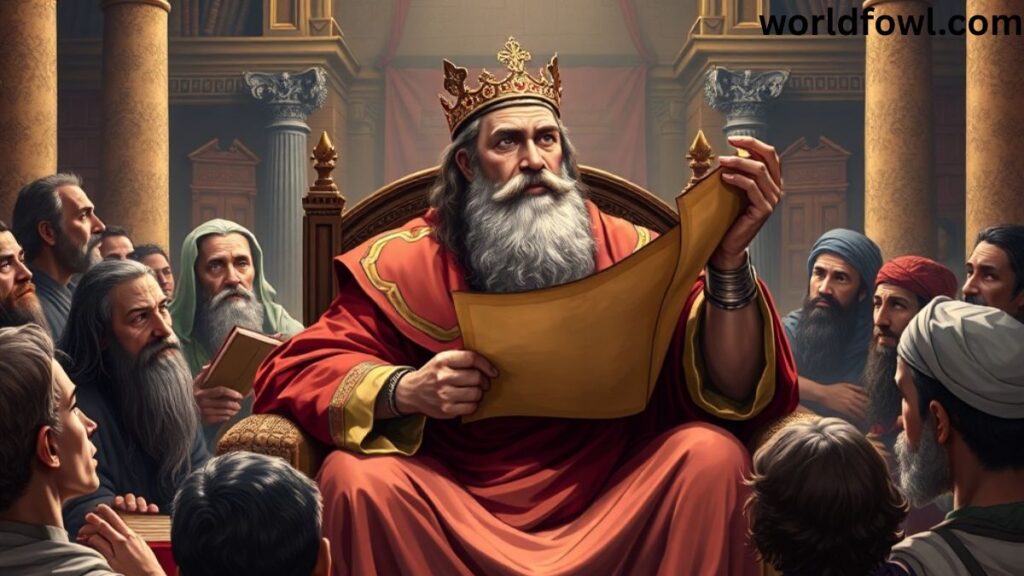
When God appeared to Solomon in a dream at Gibeon, He offered the young king anything he wanted. Solomon could have asked for long life, riches, or the death of his enemies. Instead, he requested “an understanding heart to judge Your people, that I may discern between good and evil.”
This humble request pleased God immensely. Because Solomon prioritized wisdom over selfish ambitions, God granted him unparalleled wisdom along with the wealth and honor he didn’t request.
Solomon’s wisdom became legendary throughout the ancient Near Eastern kingdoms. His understanding wasn’t limited to spiritual matters—it encompassed science, nature, politics, and human psychology. The Bible says he spoke 3,000 proverbs and composed 1,005 songs. He discoursed about plants “from the cedar tree of Lebanon even to the hyssop that springs out of the wall.” He taught about animals, birds, reptiles, and fish.
The famous judgment involving two mothers claiming the same baby showcased Solomon’s practical wisdom brilliantly. When he suggested cutting the living child in half, the real mother immediately offered to give up her claim to save the baby’s life. Solomon’s creative test revealed truth and delivered justice.
Fear of the Lord forms the foundation of Solomon’s wisdom philosophy. He repeatedly emphasized this principle in his writings. True wisdom begins with reverence for God—everything else flows from this starting point.
Kings and scholars traveled from distant lands to hear Solomon’s wisdom. His reputation spread throughout the known world. The Queen of Sheba journey exemplified this international recognition—she came from possibly modern-day Yemen or Ethiopia specifically to test Solomon’s renowned intellect.
Divine wisdom separated Solomon from other rulers of his era. While other kings relied on military might or political cunning, Solomon’s wisdom brought peace and prosperity. He resolved disputes, administered justice fairly, and made decisions that strengthened Israel’s position among neighboring nations.
Solomon understood human nature deeply. His wisdom wasn’t merely theoretical—it addressed real-life situations that people faced daily. This practical orientation made his teachings accessible and valuable across generations and cultures.
He Wrote Much of the Wisdom Literature in the Bible
Solomon authored significant portions of the biblical wisdom literature, contributing three complete books to scripture and portions of others. These writings reveal different facets of his spiritual journey and intellectual depth.
Proverbs represents Solomon’s most extensive literary legacy. Most scholars attribute chapters 1-29 to him, though some sections credit other wise men. These short, memorable sayings distill complex truths into digestible principles. They cover topics from parenting and marriage to business ethics and personal integrity.
The Proverbs teaching style uses vivid imagery and contrast. Solomon compares wisdom to a woman calling out in the streets, while folly appears as a seductive temptress. He contrasts the righteous and the wicked, the diligent and the lazy, the humble and the proud. This literary technique makes abstract concepts concrete and memorable.
Ecclesiastes offers something entirely different—philosophical reflection on life’s meaning. Written likely toward the end of Solomon’s life, this book grapples with mortality, purpose, and the apparent meaninglessness of earthly pursuits. The famous refrain “vanity of vanities, all is vanity” captures the book’s melancholic tone.
Ecclesiastes meaning has puzzled readers for centuries. Some see it as pessimistic or even skeptical. But the book actually serves as a reality check against materialism and empty pursuits. Solomon, who experienced every pleasure and achievement imaginable, concludes that only fearing God and keeping His commandments brings true fulfillment.
The Song of Songs (also called Song of Solomon) celebrates romantic love with surprisingly sensual poetry. This collection of love songs uses elaborate metaphors from nature to describe physical attraction and emotional intimacy between lovers. Jewish and Christian traditions have often interpreted it allegorically—representing God’s love for Israel or Christ’s love for the church—but the literal celebration of marital love remains its primary meaning.
Solomon likely contributed to the Psalms as well, with Psalm 72 and Psalm 127 traditionally attributed to him. These psalms reflect on kingship, justice, and God’s blessing on families and cities.
Key Themes in Solomon’s Writings:
- Wisdom’s value exceeds all earthly treasures
- Moral choices have inevitable consequences
- Hard work and diligence lead to prosperity
- Pride precedes destruction
- Contentment matters more than accumulation
- Relationships require wisdom and patience
- Time reveals truth and exposes folly
- God’s sovereignty governs all human affairs
Solomon Built the Temple in Jerusalem
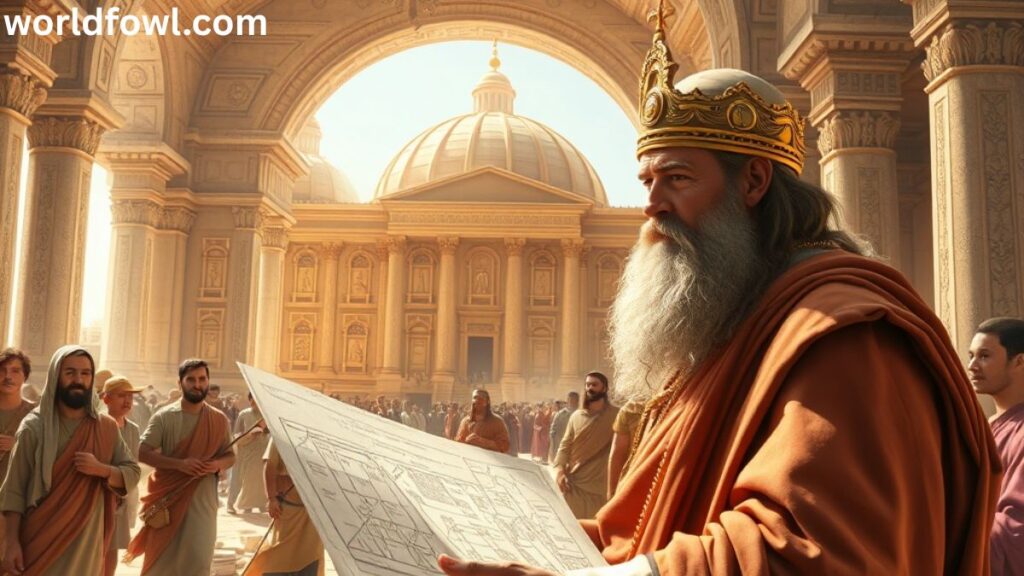
The Temple of Solomon stands as his crowning architectural achievement and the focal point of Israelite worship for nearly four centuries. David desired to build this house of the Lord, but God denied him because he was a man of war. The task fell to Solomon, whose name means peace.
Construction began in the fourth year of Solomon’s reign—around 966 BCE according to most chronologies. The project took seven years to complete, employing tens of thousands of workers. Solomon conscripted 30,000 laborers from Israel, sending them to Lebanon in shifts. He also had 70,000 carriers and 80,000 stonecutters in the mountains.
The First Temple dimensions were impressive yet not enormous—approximately 90 feet long, 30 feet wide, and 45 feet high. Quality mattered more than size. The structure featured three main sections: a porch, the holy place, and the most holy place (Holy of Holies) where the Ark of the Covenant resided.
Materials reflected the temple’s sacred purpose and Solomon’s wealth. Cedar timber came from Lebanon, supplied by King Hiram of Tyre in exchange for wheat and oil. Massive foundation stones—some weighing several tons—provided stability. Gold overlay covered the interior walls, floors, and altar. The Bible says Solomon used approximately 25 tons of gold in the temple’s construction.
Jerusalem temple history begins with this magnificent structure. It replaced the portable tabernacle that Israel had used since the exodus from Egypt. Now God’s presence had a permanent dwelling among His people. The temple symbolized Israel’s special relationship with God and served as the center of national worship and identity.
Solomon’s wisdom manifested in the temple’s design details. The Holy of Holies was a perfect cube—30 feet in all dimensions. Two massive cherubim carved from olive wood and overlaid with gold spread their wings across the entire width of this inner sanctum. Their presence reminded worshipers of the cherubim guarding Eden and those on the Ark of the Covenant.
The bronze furnishings demonstrated remarkable craftsmanship. A skilled worker named Huram-Abi (sent by King Hiram) created two bronze pillars—Jachin and Boaz—that stood at the temple entrance. He also crafted an enormous bronze basin called “the Sea,” which rested on twelve bronze oxen and held about 11,500 gallons of water for ceremonial washing.
Temple Construction Facts:
| Element | Specifications |
|---|---|
| Duration | 7 years |
| Labor Force | 30,000 from Israel, 150,000 additional workers |
| Main Materials | Cedar, stone, gold, bronze |
| Gold Used | Approximately 25 tons |
| Length | 90 feet |
| Width | 30 feet |
| Height | 45 feet |
| Completion Date | Approximately 959 BCE |
He Married Many Foreign Women
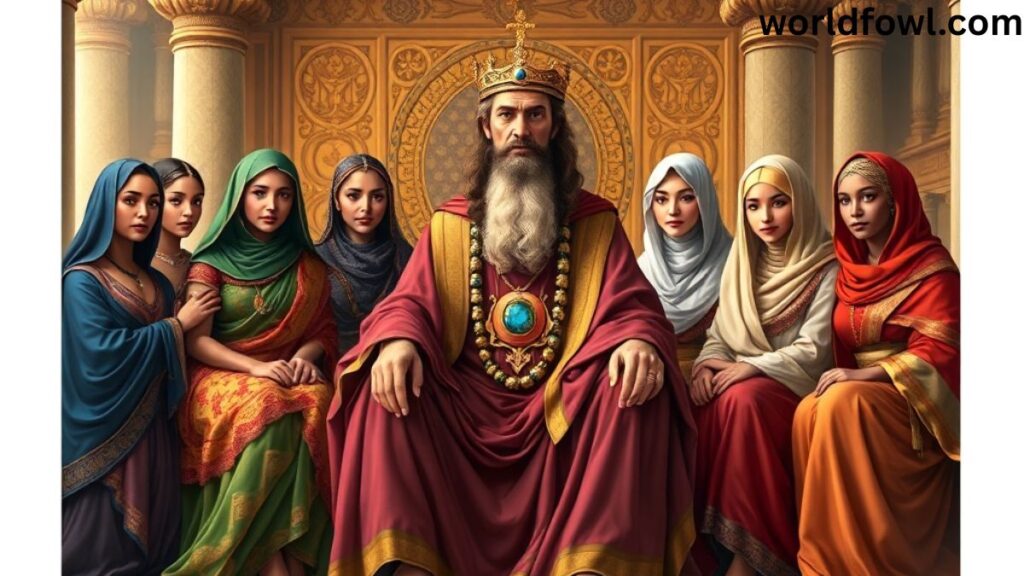
Solomon’s wives numbered 700 princesses and 300 concubines according to 1 Kings 11:3. This staggering total represents one of history’s most extreme cases of polygamy and marked the beginning of Solomon’s spiritual decline.
Why would the wisest man alive make such foolish marital choices? Political expediency drove many of these marriages. Ancient Near Eastern kingdoms routinely sealed alliances through royal marriages. Each wife represented a treaty, a peace agreement, or a strategic partnership with another nation.
But God had explicitly warned Israel’s kings against multiplying wives. Deuteronomy 17:17 states clearly: “Neither shall he multiply wives for himself, lest his heart turn away.” Solomon ignored this command, prioritizing political advantage over obedience to God.
The foreign women came from nations God had told Israel to avoid—Moabites, Ammonites, Edomites, Sidonians, and Hittites. These nations practiced idolatry and worshiped false gods like Ashtoreth, Molech, and Chemosh. God warned that intermarriage with these peoples would lead Israel into idolatry.
Solomon’s extensive harem reveals a deeper issue than just treaty-making. These marriages demonstrated an insatiable appetite for pleasure and validation. The man who had everything still wanted more. His moral downfall began with compromise and escalated into full-blown apostasy.
The Bible explicitly states that Solomon’s wives “turned away his heart after other gods; and his heart was not loyal to the Lord his God, as was the heart of his father David.” In his old age, Solomon built high places for his wives’ gods on the hills near Jerusalem. He even participated in their worship practices, including the horrific child sacrifice associated with Molech worship.
This catastrophic failure carries profound lessons about spiritual priorities. Wisdom alone doesn’t guarantee faithfulness. Even the wisest person can rationalize sin and drift from God. Compromise in “small” areas—like who we marry or what influences we allow—can lead to devastating consequences.
Solomon’s example also warns against compartmentalizing life. He apparently thought he could maintain his relationship with God while accommodating his wives’ religions. But divided loyalty is no loyalty at all. Jesus later taught, “No one can serve two masters.”
Impact of Solomon’s Marriages:
- Political alliances temporarily strengthened but ultimately weakened Israel
- Idolatry infiltrated the kingdom at the highest level
- God’s anger kindled against Solomon despite His previous blessings
- Kingdom division was decreed as judgment for Solomon’s unfaithfulness
- National identity was compromised through religious syncretism
- Moral authority was undermined, affecting the entire nation
The Queen of Sheba Visited Him
The Queen of Sheba arrived in Jerusalem with a massive caravan bearing spices, gold, and precious stones. She had heard reports of Solomon’s fame and wisdom and traveled possibly 1,200 miles to verify these claims personally.
This remarkable diplomatic visit highlights Solomon’s international reputation. The queen wasn’t merely curious—she came to test Solomon with “hard questions.” Ancient kings often engaged in wisdom contests, posing riddles and philosophical challenges to demonstrate intellectual prowess.
Solomon answered every question she posed. Nothing was too difficult for him to explain. The queen observed not just his wisdom but also the prosperity it produced—his palace, his officials’ organization, his servants’ attire, the sacrifices he offered at the temple. Everything impressed her profoundly.
Her famous declaration captures her astonishment: “The report I heard in my own country about your achievements and your wisdom is true. But I did not believe these things until I came and saw with your own eyes. Indeed, not even half was told me; in wisdom and wealth you have far exceeded the report I heard.”
The Queen of Sheba journey demonstrates how Solomon’s wisdom transcended cultural and geographical boundaries. Her visit also symbolizes the nations’ attraction to Israel when it walked in God’s blessing. Israel was meant to be a light to the nations, displaying God’s glory. During Solomon’s golden age, this purpose was partially fulfilled.
Jesus later referenced this visit when criticizing the religious leaders of His day: “The queen of the South will rise up in the judgment with this generation and condemn it, for she came from the ends of the earth to hear the wisdom of Solomon; and indeed a greater than Solomon is here” (Matthew 12:42). Christ used this historical event to illustrate spiritual hunger and the importance of responding to truth.
The exchange between Solomon and the queen was generous. She gave him approximately 4.5 tons of gold, large quantities of spices, and precious stones. Solomon reciprocated with gifts from his royal bounty and gave her everything she desired and asked for. This diplomatic exchange strengthened ties between their kingdoms and facilitated trade.
Some traditions suggest romantic involvement between Solomon and the queen, with Ethiopian tradition claiming their union produced a son named Menelik I, legendary founder of Ethiopia’s Solomonic dynasty. The Bible doesn’t confirm this, focusing instead on the intellectual and diplomatic aspects of the visit.
Solomon Had Great Wealth
Solomon’s riches exceeded those of all other kings of his era. His annual gold revenue alone totaled approximately 25 tons (666 talents), not counting income from merchants, traders, and vassal kings. This staggering wealth wasn’t accidental—it resulted from God’s blessing, strategic positioning, and wise administration.
The golden age of Israel under Solomon’s reign brought unprecedented prosperity. Israel controlled crucial trade routes between Egypt, Mesopotamia, Arabia, and Asia Minor. Caravans carrying spices, precious stones, and other luxury goods paid taxes and fees as they passed through Solomon’s territory.
Solomon’s trading ventures extended far beyond Israel’s borders. He formed a commercial partnership with King Hiram of Tyre, establishing a fleet of ships that sailed to Ophir (possibly modern-day Somalia, Yemen, or India) every three years. These expeditions returned with gold, silver, ivory, apes, and peacocks.
His wealth manifested in extravagant ways. Solomon crafted 200 large shields of hammered gold, using about 15 pounds of gold per shield. He made 300 smaller shields with about 4 pounds of gold each. These weren’t for battle—they served as ceremonial decorations in the Palace of the Forest of Lebanon.
The famous ivory throne overlaid with pure gold and featuring six steps with lion statues exemplified Solomon’s opulence. The Bible declares: “Nothing like it had ever been made for any other kingdom.” His drinking vessels were gold—silver was considered too common during Solomon’s reign to use for royal purposes.
Solomon’s annual budget and economic activity were staggering:
| Revenue Source | Annual Amount |
|---|---|
| Gold tribute | 25 tons |
| Trade taxes | Substantial (amount unspecified) |
| Vassal kingdoms | Regular payments |
| Agricultural taxes | Food for royal household and staff |
| Commercial ventures | Profits from shipping and trade partnerships |
However, this wealth came with costs. Solomon’s heavy taxation and forced labor programs created resentment, especially among northern cohorts. The lavish lifestyle and constant building projects strained the economy. When Solomon’s son Rehoboam refused to lighten this burden, the kingdom split.
Jesus later taught, “Do not lay up for yourselves treasures on earth, where moth and rust destroy and where thieves break in and steal.
Solomon’s Prayer at the Temple Dedication Was Powerful
These 15 interesting facts about Solomon in the Bible reveal a king of striking contrasts—unmatched wisdom paired with foolish choices, devoted worship alongside destructive idolatry. His reign brought Israel to unprecedented heights of prosperity and international prestige. Yet his compromises planted seeds that eventually tore the kingdom apart. Solomon’s temple stood as a testament to faithfulness, while his shrines to false gods testified to his tragic drift from God.
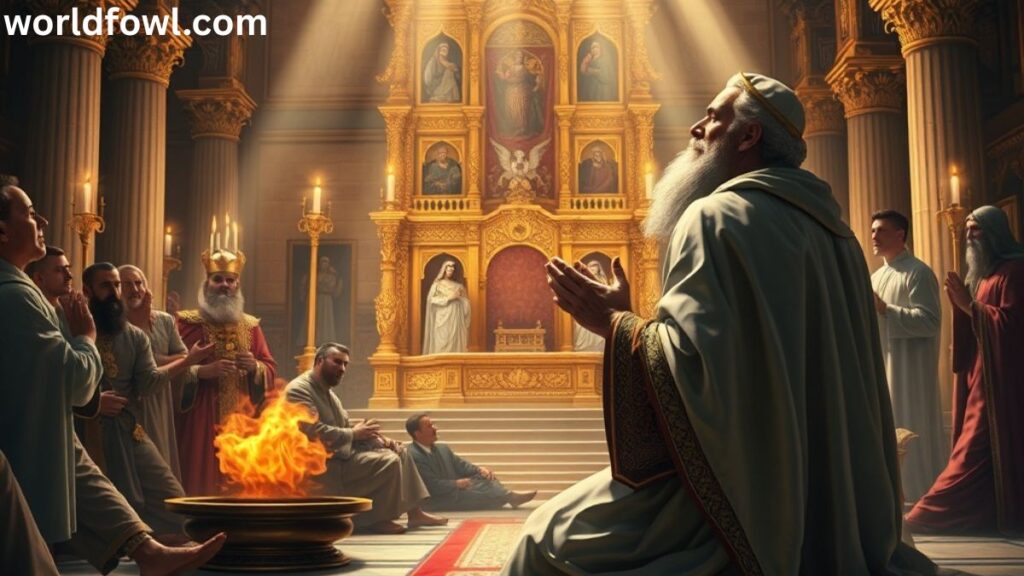
The 15 interesting facts about Solomon in the Bible offer timeless lessons about leadership, integrity, and the dangers of spiritual compromise. His writings in Proverbs, Ecclesiastes, and Song of Solomon continue guiding millions toward wisdom and fear of the Lord. But his life warns that knowledge alone cannot sustain faithfulness. Solomon started brilliantly but finished poorly. His mixed legacy reminds us that finishing well matters more than starting strong. God’s grace remains available to all—even when we mirror Solomon’s failures more than his achievements. The temple dedication prayer ranks among scripture’s most profound expressions of worship and intercession. When Solomon finished building the house of the Lord, he gathered all Israel for a dedication ceremony that lasted fourteen days.
Solomon stood before the altar of the Lord with hands spread toward heaven and offered an extraordinary prayer recorded in 1 Kings 8 and 2 Chronicles 6. This wasn’t a brief blessing—it was a comprehensive theological statement about God’s nature, Israel’s covenant relationship, and prayer’s power.
He began by acknowledging God’s faithfulness: “Lord God of Israel, there is no God in heaven above or on earth below like You, who keep Your covenant and mercy with Your servants who walk before You with all their hearts.” This established the prayer’s foundation—God’s unchanging character and covenant promises.
Solomon then addressed a theological tension: How can the infinite God dwell in a finite structure? “But will God indeed dwell on the earth? Behold, heaven and the heaven of heavens cannot contain You. How much less this temple which I have built!” He understood that the temple symbolized God’s presence rather than containing it.
The prayer’s heart consisted of seven specific situations where people might pray toward this temple:
- When deciding legal cases requiring oaths
- When defeated by enemies due to sin
- When drought comes as judgment
- When famine, plague, or other disasters strike
- When foreigners hear of God and come to pray
- When going to war against enemies
- When taken captive to foreign lands
Each scenario included Solomon’s request that God hear prayers offered toward the temple and respond with mercy, forgiveness, or deliverance. This framework acknowledged human weakness, God’s justice, and the necessity of repentance.
The 15 interesting facts about Solomon in the Bible offer timeless lessons about leadership, integrity, and the dangers of spiritual compromise. His writings in Proverbs, Ecclesiastes, and Song of Solomon continue guiding millions toward wisdom and fear of the Lord. But his life warns that knowledge alone cannot sustain faithfulness. Solomon started brilliantly but finished poorly. His mixed legacy reminds us that finishing well matters more than starting strong. God’s grace remains available to all—even when we mirror Solomon’s failures more than his achievements. The prayer demonstrated remarkable inclusivity. Solomon specifically prayed for foreigners who would hear of Israel’s God and come to worship at the temple. He envisioned the temple as a “house of prayer for all nations”—a vision Jesus later referenced when cleansing the temple.
When Solomon finished praying, fire came down from heaven and consumed the burnt offerings. God’s glory filled the temple so powerfully that the priests couldn’t enter. The people fell on their faces, worshiping and praising God. This dramatic confirmation validated Solomon’s prayer and marked the temple as God’s dwelling place.
God responded to Solomon privately that night, accepting the temple and promising to hear prayers offered there. But He also issued a sobering warning: “If you turn away and forsake My statutes and My commandments… then I will uproot them from My land… and this house… I will cast out of My sight.”
Key Elements of Solomon’s Prayer:
- Acknowledgment of God’s greatness and faithfulness
- Humility about human limitations and sinfulness
- Confidence in God’s mercy and forgiveness
- Inclusivity extending blessing to foreigners
- Practical application to real-life situations
- Covenant awareness connecting promises with responsibilities
- Corporate concern for the entire nation’s spiritual health
He Fell into Idolatry Later in Life
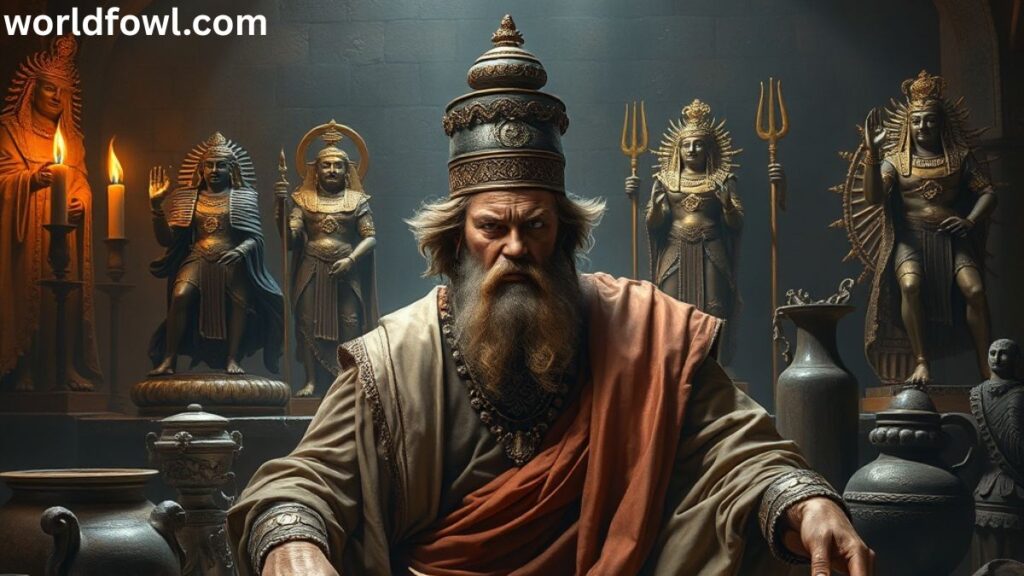
15 Interesting Facts About Solomon in the Bible Solomon’s downfall represents one of scripture’s most tragic narratives. The man who dedicated the temple to God, who received divine wisdom, who wrote inspired scripture—this same man ended his life worshiping false gods.
First Kings 11 records the devastating transformation: “For it was so, when Solomon was old, that his wives turned his heart after other gods; and his heart was not loyal to the Lord his God, as was the heart of his father David.” The Hebrew word for “turned” suggests a gradual process, not a sudden rebellion.
Solomon built high places for Chemosh (the abomination of Moab) and for Molech (the abomination of Ammon) on the mountain east of Jerusalem. These weren’t merely symbolic gestures—he actively participated in pagan worship practices. For a king who once prayed with such fervor, this represents spiritual catastrophe.
The worship of Molech particularly horrifies modern readers. This deity demanded child sacrifice, with victims burned alive in the idol’s bronze arms. That Solomon—who once demonstrated such wisdom and compassion—would build a shrine for such a monstrous god reveals the depth of his moral corruption.
Disobedience and idolatry carried immediate consequences. God appeared to Solomon a second time (He had appeared twice before) with a message of judgment: “Because you have not kept My covenant and My statutes, which I have commanded you, I will surely tear the kingdom away from you and give it to your servant.”
However, God’s mercy tempered judgment. Because of God’s love for David and His promise to the Davidic dynasty, the kingdom wouldn’t be torn away during Solomon’s lifetime. And one cohort (Judah) would remain under his son’s rule, preserving David’s line.
Spiritual decline doesn’t happen overnight. Solomon’s idolatry resulted from years of compromise:
- Disobedience to explicit commands about marriage
- Accommodation of wives’ religious practices
- Toleration of false worship in Israel
- Participation in pagan rituals
- Construction of permanent shrines for foreign gods
15 Interesting Facts About Solomon in the Bible Each step seemed manageable in isolation. But together they created a path away from God. Solomon’s example warns that no one—regardless of wisdom, spiritual experience, or past faithfulness—is immune to falling away.
Some scholars debate whether Solomon repented before his death. Ecclesiastes’ closing words—”Fear God and keep His commandments, for this is man’s all”—might indicate late-life repentance. The book’s melancholic tone could reflect regret over wasted years pursuing meaningless pleasures. But scripture doesn’t explicitly confirm repentance.
Solomon’s Legacy Was Mixed
Solomon’s legacy defies simple categorization. He embodied both Israel’s greatest achievements and its tragic failures, leaving a mark that shaped Old Testament history for centuries.
Israel’s divided kingdom traces directly to Solomon’s reign. His heavy taxation and forced labor programs created deep resentment. When his son Rehoboam threatened even harsher treatment, the northern cohorts rebelled. Under Jeroboam’s leadership, they formed the northern kingdom of Israel, leaving only Judah and Benjamin loyal to David’s dynasty.
This division fulfilled God’s judgment on Solomon’s idolatry. It also initiated a period of conflict, instability, and spiritual decline that eventually led both kingdoms into exile. The united monarchy—David’s greatest achievement—lasted only through Solomon’s generation.
Yet Solomon’s positive contributions remain undeniable. The Temple of Solomon stood as Israel’s spiritual center for nearly 400 years until Babylon destroyed it in 586 BCE. It provided a focal point for national worship and symbolized God’s presence among His people. Three times annually, Israelites gathered there for major festivals, reinforcing their identity as God’s covenant people.
Solomon’s wisdom literature has influenced countless generations. Proverbs remains one of the Bible’s most read and quoted books. Its practical wisdom helps people navigate relationships, finances, work, and spiritual life. Ecclesiastes offers philosophical depth that resonates with modern existential questions. The Song of Solomon celebrates marital intimacy in ways that affirm human sexuality as God’s gift.
Biblical kingship standards developed significantly during Solomon’s era. His reign demonstrated both the potential and the pitfalls of monarchy. It showed what Israel could achieve with wise, godly leadership—but also warned about the corrupting influence of power, wealth, and foreign alliances.
The Israelite monarchy never again reached Solomon’s heights of prosperity and international prestige. Later kings were measured against David’s faithfulness and Solomon’s wisdom. Most fell short of these standards, though a few—like Hezekiah and Josiah—brought temporary reforms.
Leadership responsibility emerges as a crucial theme in Solomon’s story. Leaders’ choices ripple outward, affecting entire nations and future generations. Solomon’s early wisdom blessed Israel; his later idolatry cursed it. The same man who built God’s temple also built shrines to demons.
Finishing well matters tremendously in scripture. Solomon started brilliantly but ended badly. In contrast, David—despite serious sins—finished with his heart loyal to God. The Bible consistently emphasizes perseverance and faithfulness to the end.
God’s covenant with David proved unshakeable despite Solomon’s failures. God promised David an eternal dynasty—a promise ultimately fulfilled in Jesus Christ, the “Son of David” who reigns forever. Solomon’s failures couldn’t nullify God’s faithfulness.
Consequences of Solomon’s Mixed Legacy:15 Interesting Facts About Solomon in the Bible
| Positive Legacy | Negative Legacy |
|---|---|
| Built the First Temple | Led Israel into idolatry |
| Wrote inspired scripture | Violated God’s commands for kings |
| Brought unprecedented prosperity | Created economic burden through taxation |
| Established international prestige | Made compromising foreign alliances |
| Demonstrated godly wisdom | Ended life in spiritual compromise |
| Peaceful reign | Set stage for kingdom’s division |
| Advanced arts and learning | Introduced pagan worship |
Lessons from Solomon’s Life for Today
Solomon’s complex story offers profound lessons for contemporary believers and anyone interested in wisdom, leadership, and spiritual vitality.
Wisdom without character proves insufficient. Solomon possessed unprecedented intellectual gifts, but moral weakness undermined everything. Intelligence, education, and insight matter—but they cannot substitute for integrity and faithfulness.
Compromise kills gradually. Solomon didn’t wake up one day and decide to worship Molech. His spiritual death occurred through small compromises compounded over decades. Each accommodation seemed reasonable in isolation. This pattern repeats constantly—in marriages, careers, and spiritual lives.
Success tests character more than failure does. When struggling, people often draw closer to God. But prosperity creates false security and self-sufficiency. Solomon’s wealth and achievements may have contributed more to his downfall than any external enemy.
Relational choices matter immensely. Solomon’s marriages to foreign women directly caused his idolatry. The people we marry, befriend, and partner with shape our values and priorities. “Bad company corrupts good morals” remains eternally relevant.
God’s blessing doesn’t equal God’s approval. Solomon enjoyed wealth, wisdom, and success even while drifting from God. Prosperity might indicate blessing—or might simply reflect natural talent and favorable circumstances. Material success proves nothing about spiritual health.
Knowing truth differs from living truth. Solomon wrote inspired wisdom about fearing God, avoiding adultery, and guarding one’s heart. He knew these principles intellectually but failed to apply them personally. Information alone never produces transformation.
Leadership magnifies consequences. Solomon’s personal sins didn’t stay personal—they infected the entire nation. Leaders bear greater responsibility because their influence extends further. Parents, pastors, teachers, and business leaders must recognize this reality.
Finishing well requires vigilance. Solomon’s early reign was exemplary. But he relaxed his guard, grew complacent, and drifted. Spiritual life demands sustained attention and regular renewal. Past faithfulness doesn’t guarantee future perseverance.
God’s grace remains available even after catastrophic failure. The New Testament includes Solomon in Jesus’ genealogy despite his sins. This inclusion testifies to God’s redemptive purposes working even through flawed people. No failure can completely disqualify someone from God’s grace.
Conclusion
These 15 interesting facts about Solomon in the Bible reveal a king of striking contrasts—unmatched wisdom paired with foolish choices, devoted worship alongside destructive idolatry. His reign brought Israel to unprecedented heights of prosperity and international prestige. Yet his compromises planted seeds that eventually tore the kingdom apart. Solomon’s temple stood as a testament to faithfulness, while his shrines to false gods testified to his tragic drift from God.
The 15 interesting facts about Solomon in the Bible offer timeless lessons about leadership, integrity, and the dangers of spiritual compromise. His writings in Proverbs, Ecclesiastes, and Song of Solomon continue guiding millions toward wisdom and fear of the Lord. But his life warns that knowledge alone cannot sustain faithfulness. Solomon started brilliantly but finished poorly. His mixed legacy reminds us that finishing well matters more than starting strong. God’s grace remains available to all—even when we mirror Solomon’s failures more than his achievements.
FAQs
What was Solomon best known for in the Bible?
Solomon was renowned for his extraordinary divine wisdom, which God granted him after he humbly requested understanding to lead Israel justly. He’s also famous for building the First Temple in Jerusalem and authoring biblical wisdom literature including Proverbs, Ecclesiastes, and Song of Solomon.
How many wives did King Solomon actually have?
Solomon had 700 wives of royal birth and 300 concubines according to 1 Kings 11:3. These marriages were primarily political alliances with foreign women from surrounding nations, which ultimately led to his spiritual decline and introduction of idolatry into Israel.
Why did Solomon’s kingdom divide after his death?
The kingdom division resulted from Solomon’s heavy taxation and forced labor programs that created widespread resentment, combined with God’s judgment on his idolatry. When Solomon’s son Rehoboam refused to ease these burdens, ten northern cohort rebelled in 930 BCE, forming the separate kingdom of Israel.
Did Solomon repent before he died?
The Bible doesn’t explicitly confirm Solomon’s repentance, though many scholars interpret Ecclesiastes—likely written late in his life—as evidence of spiritual reflection and regret. The book’s emphasis on fearing God and keeping His commandments suggests possible restoration, but scripture remains silent on his final spiritual state.
What happened to Solomon’s temple?
The Temple of Solomon stood for approximately 374 years as Israel’s spiritual center until Babylonian king Nebuchadnezzar destroyed it in 586 BCE. This First Temple was later replaced by the Second Temple, rebuilt under Zerubbabel and extensively renovated by Herod the Great, which stood until Roman destruction in 70 CE.